1. The Problem
The business problem involved the lack of standardized healthcare analytics and reporting processes among U.S. government agencies and insurance providers. This inconsistency led to inefficiencies, inaccuracies in healthcare submissions, and challenges in achieving payment accuracy and quality care outcomes.
2. The Users
The primary users included healthcare analysts, government agency employees, and insurance providers who relied on accurate data submissions for payment processes and healthcare reporting. Additionally, patients were indirectly impacted by the improvements in care outcomes facilitated by the project.
3. Discovery
I learned about the problem through stakeholder interviews, analysis of existing reporting processes, and feedback from users experiencing difficulties with data submissions. Workshops with government and insurance representatives highlighted the need for a more efficient solution.
4. Constraints
Key constraints included adherence to regulatory standards (such as NCQA requirements), the need for full compliance with WCAG 2.0 AA accessibility guidelines, and the challenge of integrating the new application with existing systems used by various stakeholders.
5. Design Process
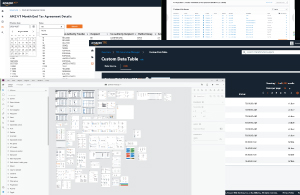
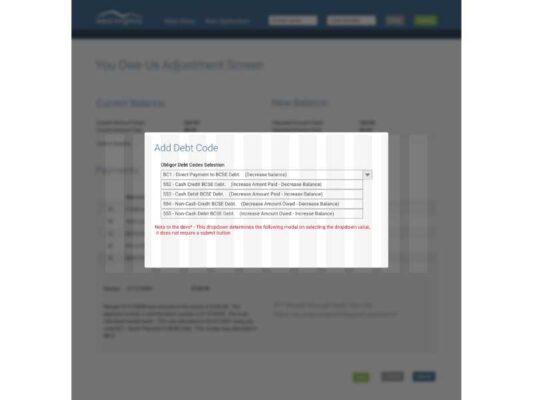
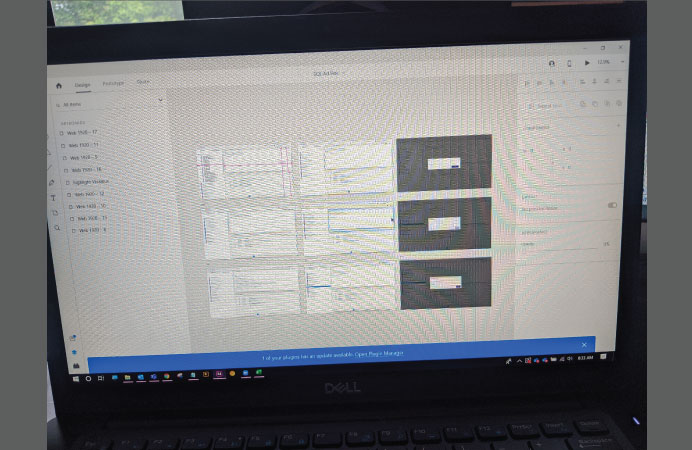
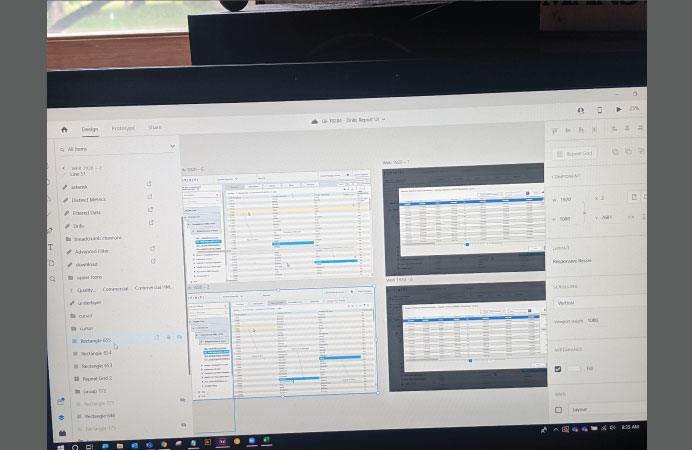
Solutions were explored through an iterative design process, including user journey mapping, prototyping, and usability testing. I collaborated closely with cross-functional teams to ensure alignment between design goals and technical feasibility.
6. Prototype
Ideas were validated through extensive prototype testing and usability validation sessions with stakeholders. Feedback was collected to refine the designs, ensuring that the application effectively addressed user needs and provided a seamless experience.
7. Outcome
The project resulted in a standardized data analytics application that improved the efficiency and accuracy of healthcare submissions. Key outcomes included enhanced payment accuracy, better risk adjustment, and improved quality measures, ultimately leading to better care outcomes.
8. Lessons Learned
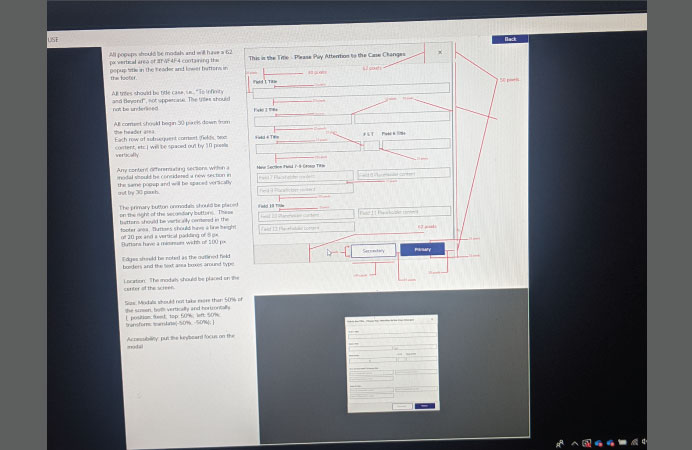
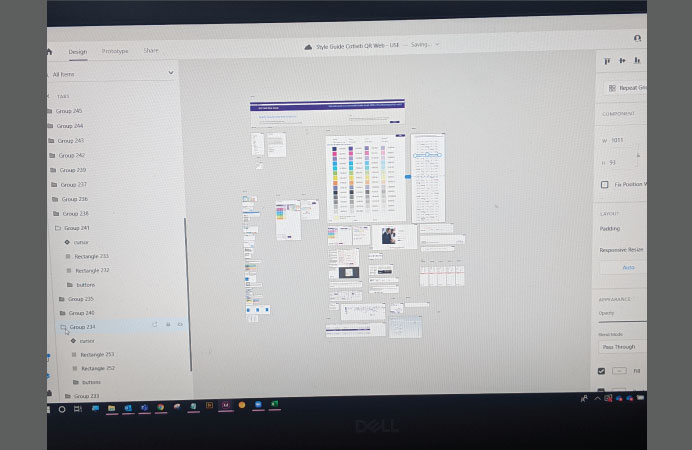
A key lesson learned was the importance of establishing a dedicated design system to maintain consistency across the platform. Additionally, creating company-wide UX standards and best practices significantly enhanced user experience and streamlined processes for future projects.